What if you could enjoy the benefits of a ketogenic diet without sacrificing your vegetarian lifestyle? The good news is that it’s completely possible! By combining the principles of vegetarianism with the low-carb, high-fat structure of the keto diet, you can embark on a flavorful journey toward healthier living.
Understanding the Vegetarian Keto Diet
A vegetarian keto diet is an exciting fusion of plant-based eating and the ketogenic method. But what does that mean, exactly? Essentially, you’re aiming to consume low carbohydrates while increasing your intake of healthy fats and proteins, all while avoiding meat and fish. This approach can lead to weight loss, improved mental clarity, and better overall health, making it a great lifestyle choice for many.
The Basics of Keto
At its core, the ketogenic diet is about shifting your body’s primary energy source from carbohydrates to fats. When your body enters a state known as ketosis, it becomes highly efficient at burning fat for fuel. This process often leads to significant weight loss and a reduction in energy spikes and crashes.
Key Components of a Ketogenic Diet
To achieve ketosis, your typical macronutrient ratio is:
- Fat: 70–75%
- Protein: 20–25%
- Carbohydrates: 5–10%
This means minimizing your carbohydrate intake to around 20–50 grams per day. For vegetarians, this can be a bit challenging, but it’s completely manageable with the right foods and planning.
What Makes It Vegetarian?
Vegetarianism excludes all types of meat, but many vegetarians still consume dairy, eggs, and other animal byproducts. In a vegetarian keto plan, you can include:
- Dairy: Cheese, yogurt, and butter can provide healthy fats and proteins.
- Eggs: These are excellent sources of protein and healthy fats.
- Plant-Based Sources: Nuts, seeds, coconut, avocados, and oils are your primary fat sources.
Do you see how you can mix and match to create delicious, low-carb meals?
Benefits of a Vegetarian Keto Diet
Adopting a vegetarian keto diet offers several unique benefits that can enhance your health and well-being.
Weight Management
By reducing carb intake while emphasizing healthy fats, you can promote weight loss and prevent weight gain. Plus, the high-fat content helps you feel full longer, reducing cravings for snacks.
Improved Energy Levels
When your body becomes accustomed to burning fat for fuel, many people report increased energy levels and mental clarity. This can be especially beneficial for vegetarians who may have energy dips due to inadequate protein intake.
Heart Health
A vegetarian keto diet typically encourages the intake of heart-healthy fats like avocados and olive oil, which can improve your heart health and lower cholesterol levels.
Balanced Blood Sugar Levels
Reducing carbohydrates can help stabilize blood sugar levels, which is vital for overall health, especially if you have concerns about insulin resistance or diabetes.
Lower Inflammation
Plant-based diets are often linked to lower inflammation levels in the body, especially when complemented with healthy fats that contribute to overall health.
Planning Your Vegetarian Keto Meal Plan
Creating a meal plan can feel overwhelming at first. However, with careful planning and a little creativity, you can craft delicious meals that meet your dietary needs.
Understanding Your Macronutrient Needs
Before drafting your meal plan, it’s essential to establish your daily macronutrient targets. Let’s assume an example where you’re aiming for:
- Total Calories: 1,800 kcal
- Fat: 138 grams
- Protein: 90 grams
- Carbohydrates: 30 grams
In this scenario, you’ll construct meals that align closely with these figures. Here’s how to make it work:
| Macronutrient | Amount (grams) | Percentage of Total Calories |
|---|---|---|
| Fat | 138 g | 69% |
| Protein | 90 g | 20% |
| Carbohydrates | 30 g | 11% |
Choosing the Right Foods
When following a vegetarian keto plan, it’s crucial to pick the right food sources. Here are several options to consider including in your diet:
Healthy Fats
- Avocados: These are loaded with monounsaturated fats and provide fiber and potassium.
- Nuts and Seeds: Almonds, walnuts, chia seeds, and flaxseeds are all great sources of healthy fats and protein.
- Coconut Products: Coconut oil, coconut milk, and shredded coconut can enhance your meals and snacks with healthy fats.
- Olive Oil: A stunningly versatile oil, perfect for dressings and cooking.
Protein Sources
- Eggs: Hard-boiled, scrambled, or poached, eggs can be incorporated into many meals.
- Dairy: Cheese, yogurt, and cottage cheese can provide substantial protein.
- Plant-based Proteins: Consider options like tofu, tempeh, and seitan.
Low-Carb Vegetables
Incorporating fresh, low-carb vegetables is essential. Here are a few good choices:
- Spinach
- Kale
- Zucchini
- Cauliflower
- Broccoli
- Bell Peppers
Sample Vegetarian Keto Meal Plan
To give you a head start, here’s a sample meal plan that falls within the suggested macronutrient targets.
Day 1
Breakfast
- Scrambled Eggs with Spinach
- 3 eggs, 1 cup spinach, cooked in 1 tablespoon of olive oil.
- Approximately: 30g fat, 24g protein, 3g carbs
Lunch
- Spinach and Feta Salad
- 2 cups spinach, ½ cup feta cheese, 1 tablespoon olive oil, and ¼ avocado.
- Approximately: 35g fat, 15g protein, 5g carbs
Snack
- Mixed Nuts
- 1 oz mixed nuts.
- Approximately: 15g fat, 6g protein, 6g carbs
Dinner
- Zucchini Noodles with Pesto
- 2 cups spiralized zucchini, ½ cup pesto (made with basil, olive oil, and nuts).
- Approximately: 40g fat, 10g protein, 8g carbs
Daily Totals
- Fat: 120g
- Protein: 55g
- Carbohydrates: 22g
Not too hard to believe that staying within your macro limits can be delicious!
Day 2
Breakfast
- Greek Yogurt with Chia Seeds
- 1 cup full-fat Greek yogurt, 1 tablespoon chia seeds, a handful of berries.
- Approximately: 25g fat, 20g protein, 15g carbs
Lunch
- Stuffed Bell Peppers
- 2 bell peppers stuffed with a mix of cauliflower rice, cheese, and herbs.
- Approximately: 30g fat, 15g protein, 5g carbs
Snack
- Avocado Half
- 1 avocado with lemon juice and salt.
- Approximately: 15g fat, 2g protein, 5g carbs
Dinner
- Cauliflower and Cheese Bake
- Baked cauliflower with cheese sauce (cream, cheese, and spices).
- Approximately: 40g fat, 20g protein, 10g carbs
Daily Totals
- Fat: 110g
- Protein: 57g
- Carbohydrates: 35g
Additional Snack Ideas
Keeping your meals satisfying is key to sticking to your plan. Here are additional snack ideas:
- Cheese crisps: Bake small patches of shredded cheese until crispy.
- Hard-boiled eggs: Always a quick protein boost.
- Olives: Great for snacking, plus they provide healthy fats.
Cooking Tips for Vegetarian Keto Meals
When your time is tight, and you’re looking for quick meals, here are a few cooking tips:
- Meal Prep: Spend a few hours once a week prepping vegetables and proteins. This will save you time during the busy nights of the week.
- Batch Cooking: Cook larger portions and refrigerate or freeze for future meals.
- Experiment with spices: Enhance your meals and add flavors by using diverse spices.
Staying On Track
Maintaining a vegetarian keto lifestyle can initially feel challenging, but remember, every little step counts! Here are tips to keep you motivated:
Listen to Your Body
Your body may need some time to adjust to this new dietary style. Pay attention to how you feel and make adjustments as needed.
Connect with a Community
Finding support through online forums or local groups can help tremendously. Sharing recipes, meal planning tips, and experiences is invaluable.
Monitor Your Progress
If you’re aiming for weight loss or health goals, consider tracking your macronutrients through apps or journals. This can help keep you accountable.
Common Challenges on a Vegetarian Keto Diet
Even though this diet can lead to excellent results, you may encounter some hurdles. Let’s tackle them together!
Meeting Protein Needs
As a vegetarian, ensuring adequate protein intake can be challenging. However, incorporating a variety of protein sources such as eggs, dairy, legumes, and plant-based protein powder can make this easier.
Addressing Nutritional Deficiencies
Some vegetarians may lack essential nutrients such as Vitamin B12, Vitamin D, and omega-3 fatty acids. By considering supplements or fortified foods, you can maintain balanced nutrition.
Social Situations
Dining out can be tricky, but you can choose restaurants with vegetarian options or fast-casual places that provide the flexibility to customize your dishes.
Conclusion
So, how do you feel about embarking on this vegetarian keto journey? With a variety of flavors, healthy fats, and delicious recipes at your fingertips, this lifestyle can improve your health while also accommodating your values. Ultimately, you should feel empowered as you navigate meal choices that cater to both your vegetarian principles and health goals. It’s all about balance, creativity, and a little patience as you adjust to this new way of eating.
Here’s to your health and happiness on your vegetarian keto adventure!
Related posts:
 Essential Keto Diet Food List: What to Eat and Avoid
 Keto Meal Plan for Intermittent Fasting: Energize Your Fast with High-Fat Meals
 Delicious Keto Thanksgiving Side Dishes for a Low-Carb Feast
 Keto Science Ketogenic Meal Shake Review
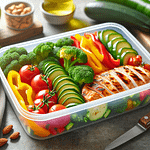 Keto Meal Prep Made Simple with Easy Beginner Recipes
 Best Sweeteners for Keto: A Guide to Keto-Approved Options
 Keto Diet Benefits for Boosting Metabolic Health
 Budget-Friendly Keto Meal Plan with Affordable Recipes